Newsletters & Media
SUBSCRIBE TO NEWSLETTER
Media (enter here)








SUBSCRIBE TO NEWSLETTER
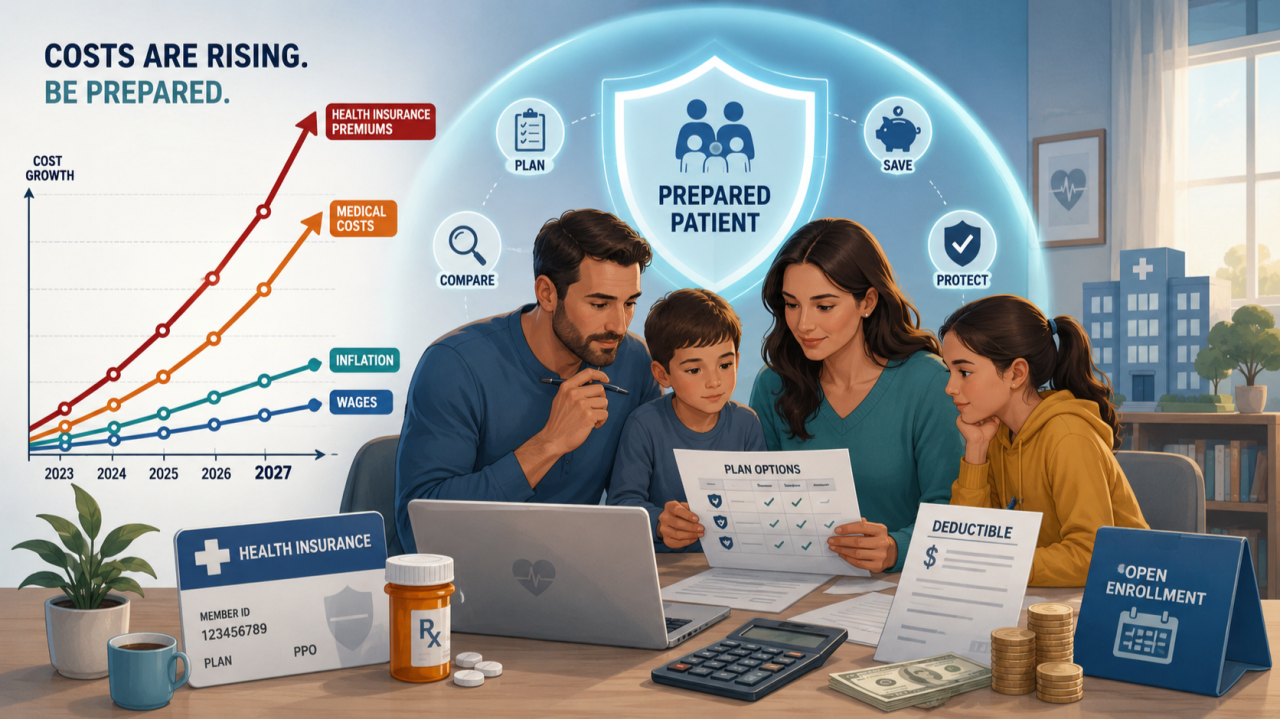
Health insurance premiums rise every year. That is not news. What is different now is the pace. Health costs are climbing much faster than inflation and wages, the gap will widen again in 2027, and families are already being priced out of coverage and care. This is not sustainable.
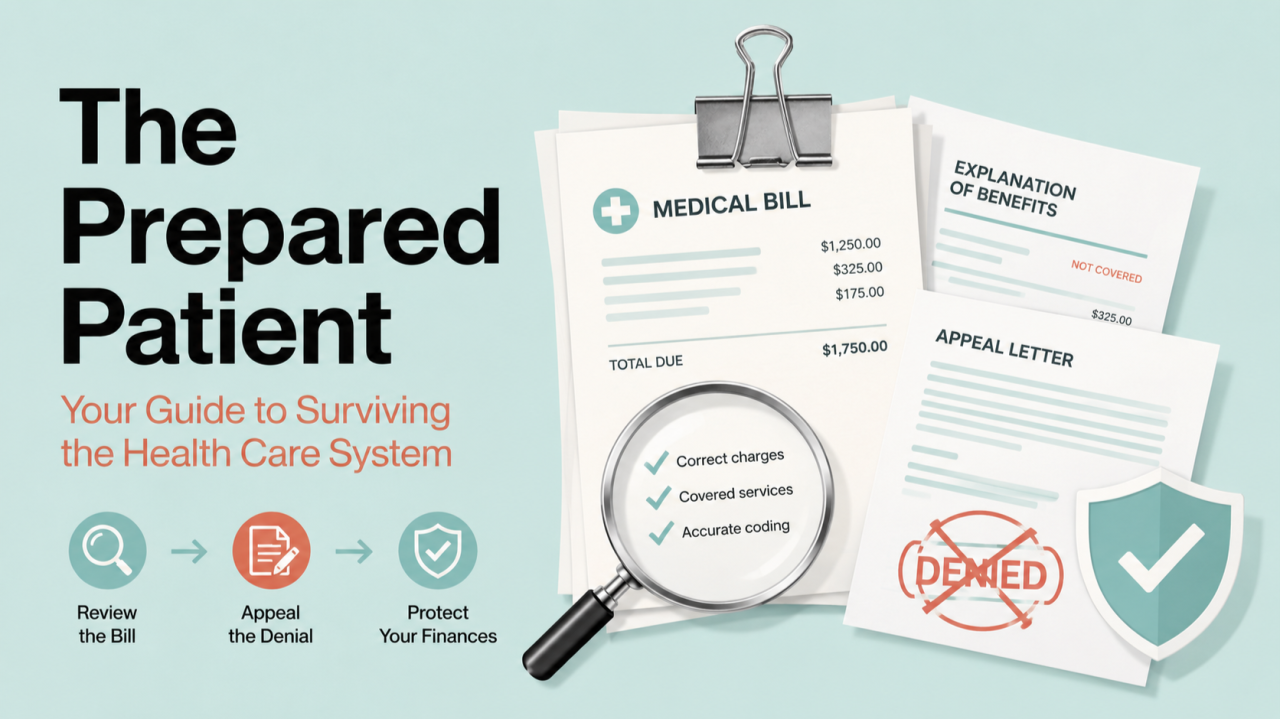
It’s astonishing that approximately 80% of medical bills contain at least one error. When patients formally appeal a denial, a large share of those denials get reversed. Depending on the type of denial, anywhere from a third to more than 80% are overturned. For appealed prior-authorization denials in Medicare Advantage, the overturn rate topped 83%.
A physician friend told me about a recent visit that stayed with her. A patient sat down, pulled out her phone, and explained that before coming in she had typed her symptoms into an AI chatbot. She arrived with a printed list of questions, a few possible explanations, and several treatment options she wanted to talk through. A decade ago, my friend said, she might have braced herself. That day she felt something closer to hope.
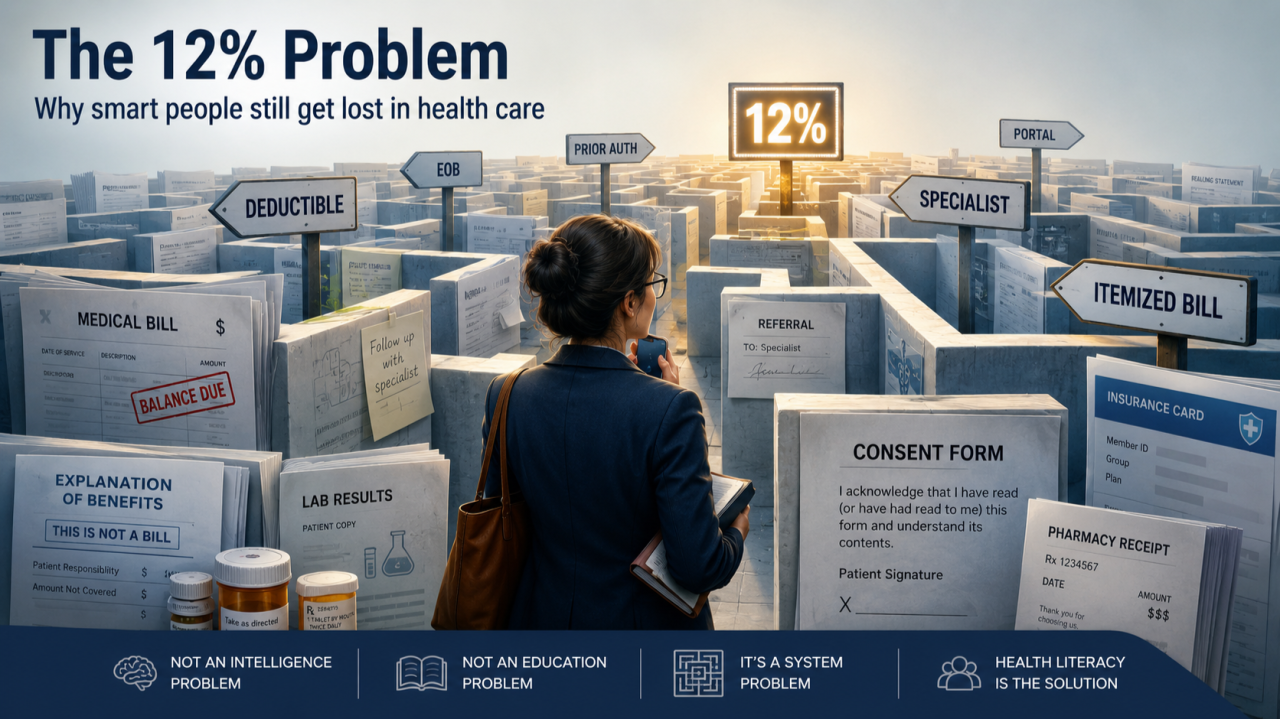
Here is a number that should give you pause. Only 12% of U.S. adults have proficient health literacy. That figure comes from the National Assessment of Adult Literacy, and the broader research has barely budged since that assessment. Put another way, nearly 9 out of 10 American adults lack the skills to fully understand and act on the health information thrown at them every day.
Did you know that more than two-thirds of GoFundMe campaigns are now for people drowning in medical bills?
What if the truth is that there is no “healthcare system” — just a tangled maze of disconnected parts, leaving even the smartest among us lost and vulnerable?
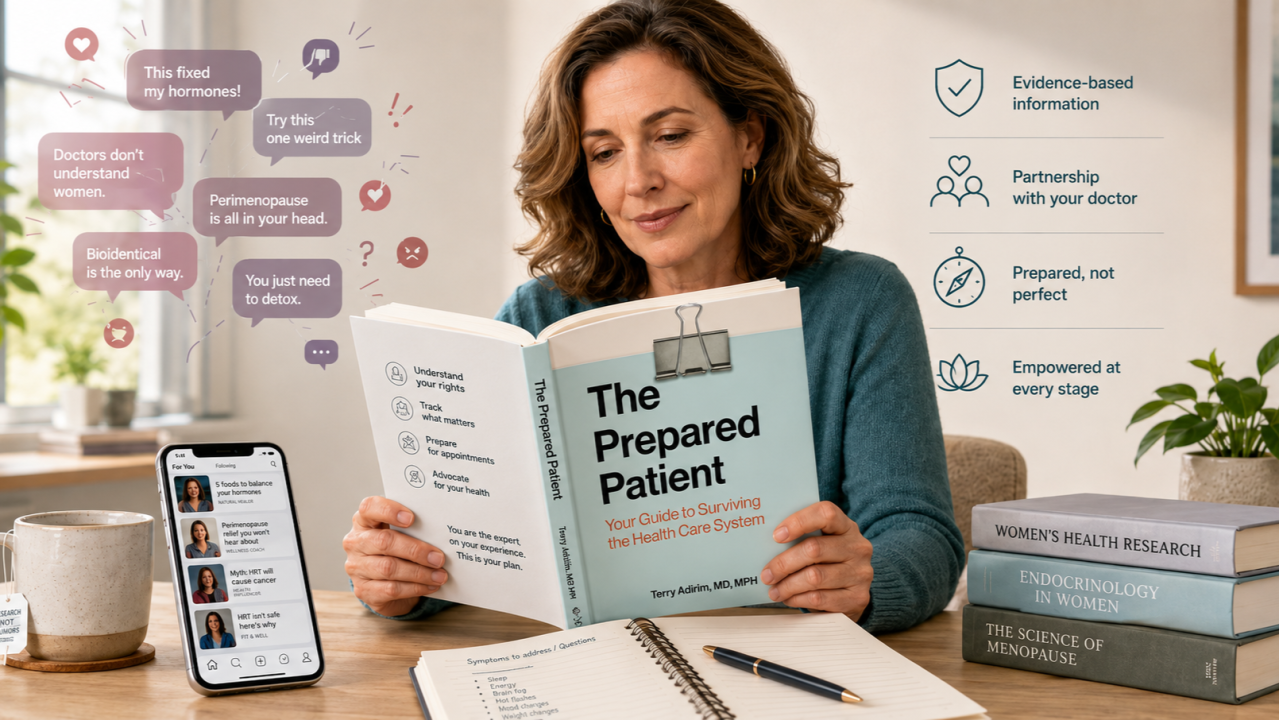
Why women are turning to TikTok for perimenopause and menopause answers is a symptom of a deeper problem, and how to protect yourself in the in-between.
In the wealthiest country on earth, in the year 2026, giving birth remains a leading cause of death for women, and if she is Black, the risk is more than triple. We know the problem, time to take evidence-based solutions to scale.
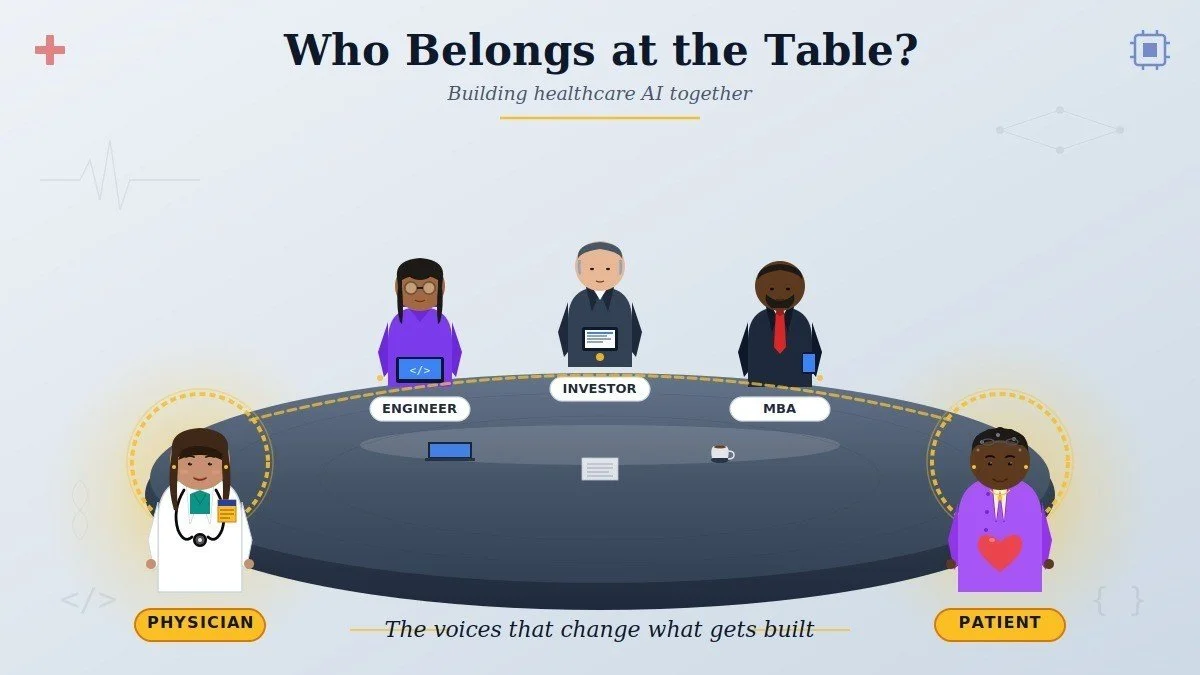
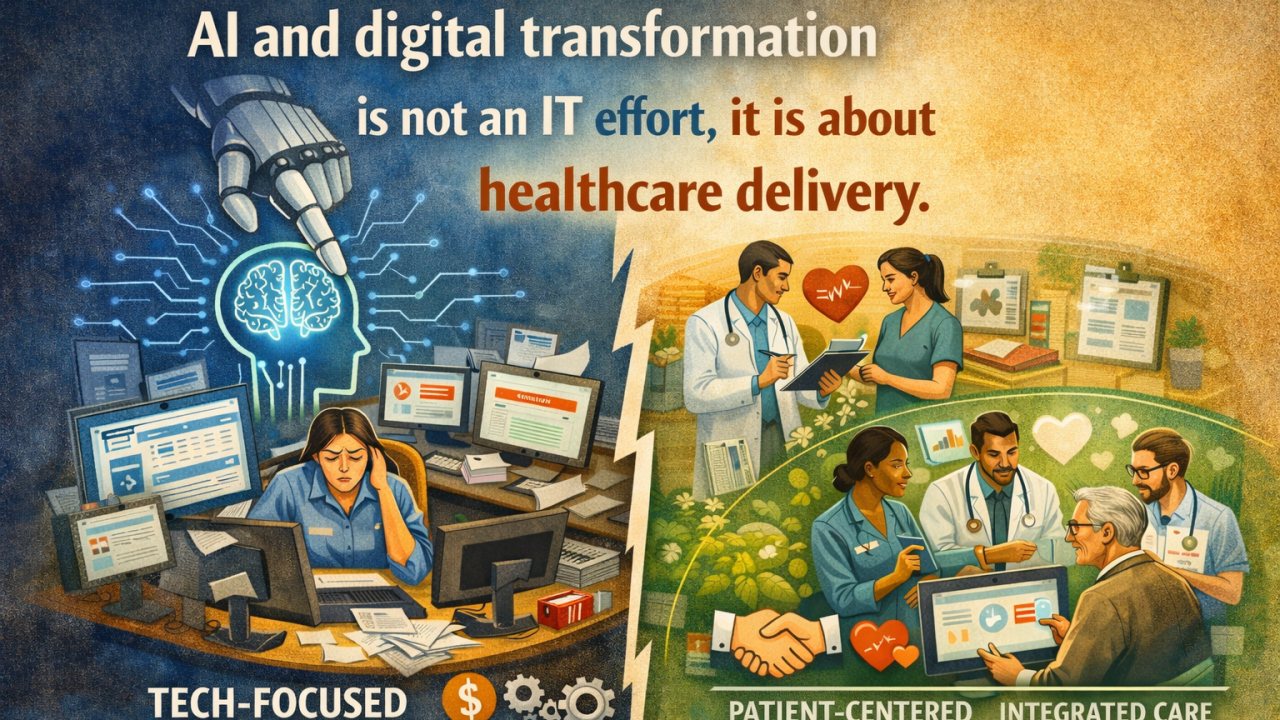
Healthcare AI is having its gold rush moment. Funding is pouring in, pilots are multiplying, and every week brings another startup promising to fix documentation, triage, diagnosis, or revenue cycle. But walk through enough of these companies and a familiar pattern emerges.
When was the last time 73% of Republicans, Democrats, and Independents agreed on anything?
According to recent polling, that share of American voters across all three groups now believes the U.S. health care system needs major change or a complete rebuild.
Nobody Chose to Get Sick. So Why Are We Acting Like They Did?
When a 42-year-old mother of three gets a breast cancer diagnosis, did she choose that? When a 28-year-old is doubled over with inflammatory bowel disease, is that a lifestyle failure?
When a TV Drama Tells the Truth
Some stories land harder than others. In a recent episode of The Pitt, a drama set inside a Pittsburgh emergency department, two patient storylines unfold quietly alongside each other. Neither ends in a dramatic courtroom revelation or a heroic last-minute save. Both end with something more unsettling: the system simply failing people who needed it.
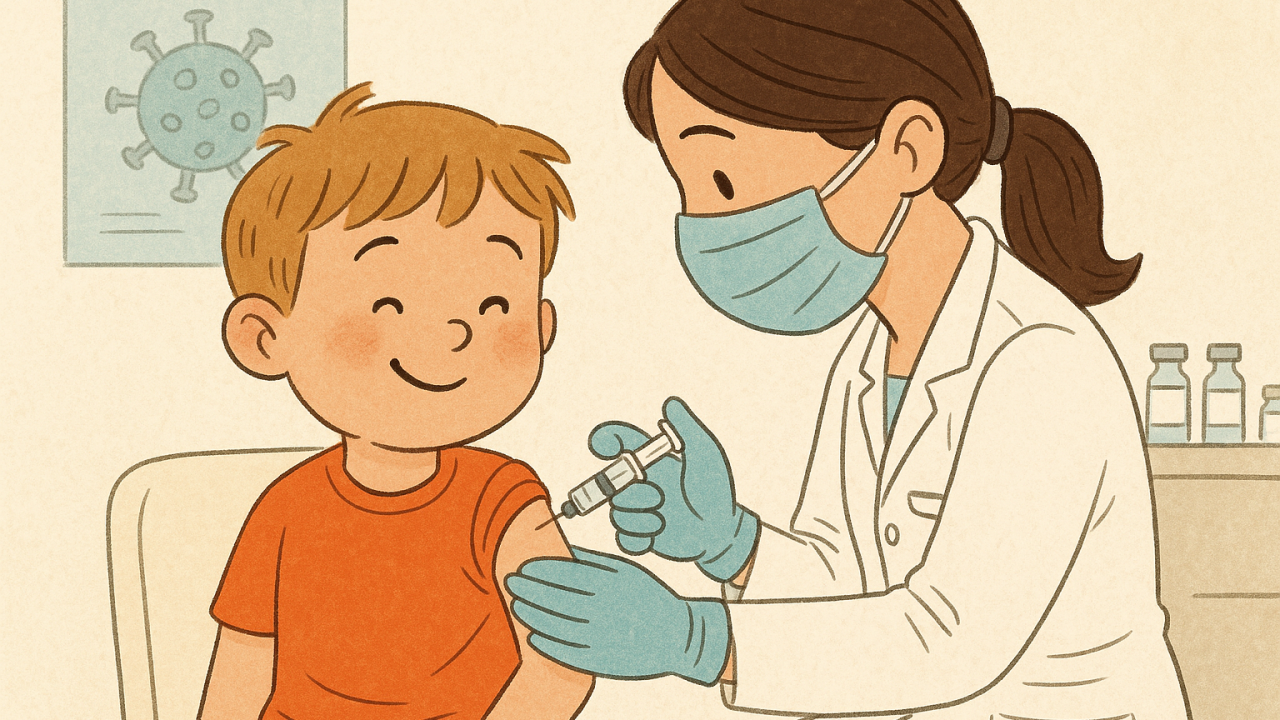
The Prepared Patient believes knowledge is the foundation of good health. Being prepared means walking into your doctor's office ready to have a real conversation. Few topics deserve that kind of preparation more than vaccines.
Headlines regularly proclaim that AI chatbots will soon render physicians obsolete. A closer examination of what physicians actually do and what it would take to automate that work responsibly tells a more complicated story.
My search for a board-certified primary care physician exposed a larger problem: physician shortages, concierge barriers, and a system that is making equitable access harder to sustain.
Why a knee replacement costs $15,000 in one zip code and $80,000 in another, and what we can actually do about it.
What Every Patient Needs to Know in 2026
The most sweeping overhaul of American health care in a generation isn’t coming. It’s already here. From Medicaid work mandates to ACA premium shock to narrowed Medicare drug negotiations, the rules that govern your coverage and your costs are being rewritten.
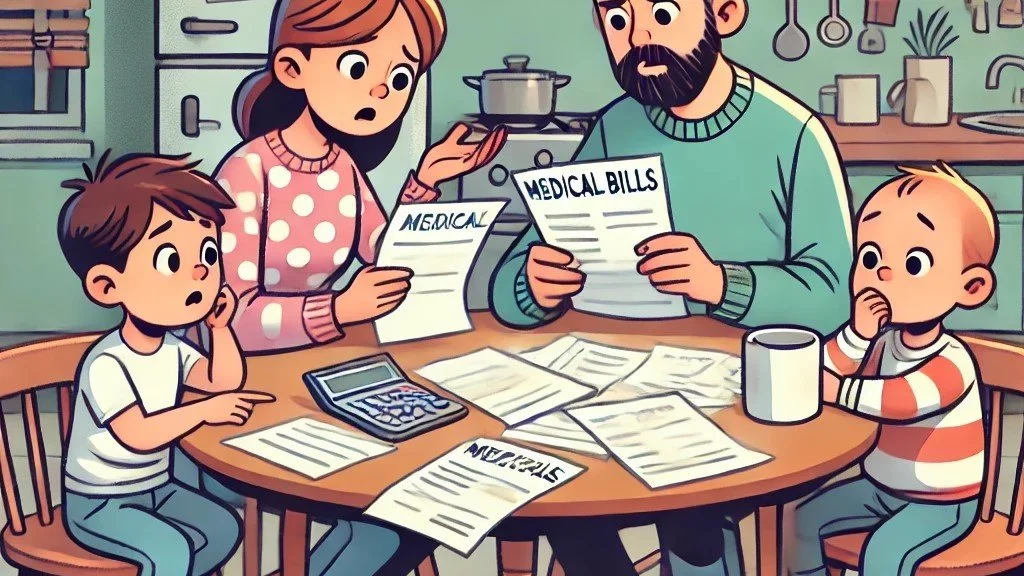
Healthcare is one of the leading causes of personal bankruptcy in the United States and yet most of us spend more time picking a Netflix subscription than choosing our health insurance plan. That has to change.
Healthcare in 2026 is breaking household budgets, and we know exactly why. Do we have the political will to fix this mess? Knowing where the high costs are coming from is one step to being a Prepared Patient.
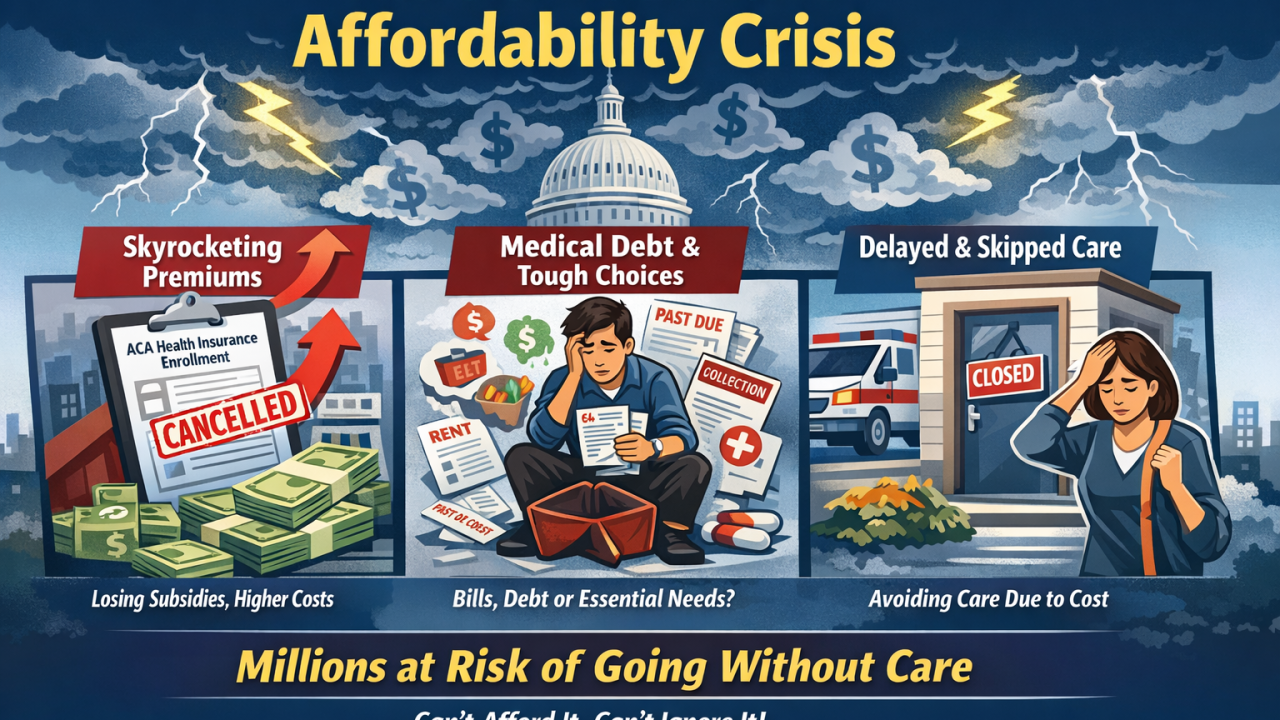
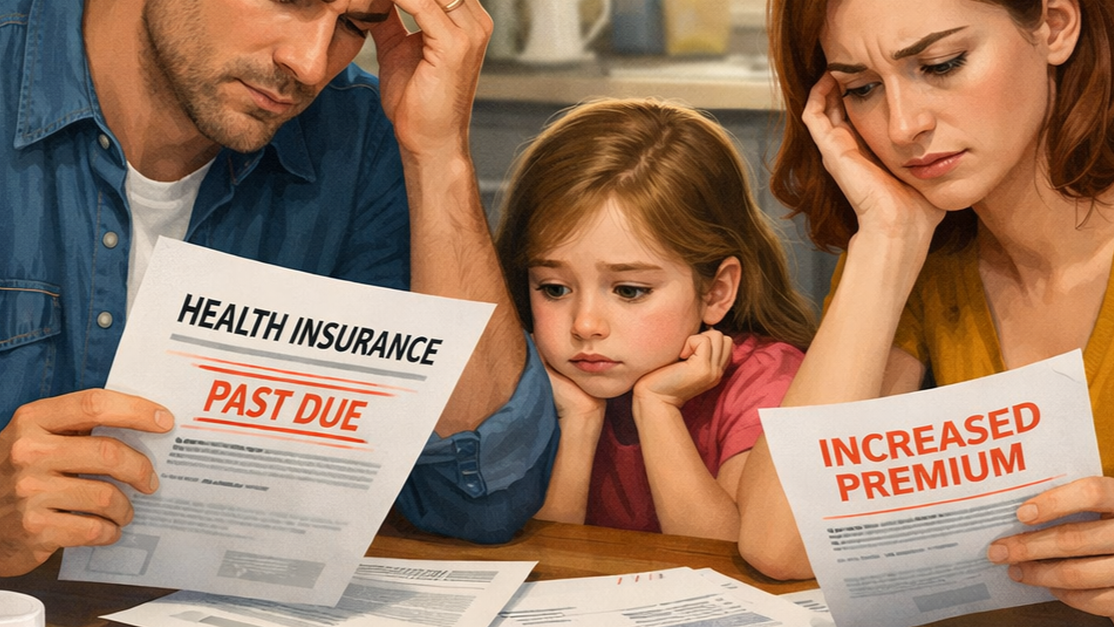
Across America, millions have made or are making an impossible choice: pay premiums they can't afford, or keep coverage they can't use.
This week, lawmakers reached a bipartisan agreement on the latest HHS appropriations bill that is a critical step forward in funding essential health programs for the year ahead.
To be a Prepared Patient (and Consumer), it is important to know where the winds are blowing with regard to health care. There has been mounting pressure on the Trump Administration to propose solutions to our health care crisis and so the White House released their plan. In this newsletter, I will break it down but first, some background for the problem of U.S. health care.
Recently I had an ophthalmology appointment. During the week before the appointment, I got a text and an email encouraging me to "sign in" electronically before the appointment. I dutifully completed the paperwork, submitted photos of my insurance card as directed and paid my co-pay. I did this immediately upon receipt of the notification, four days before my scheduled appointment.
Over the past year, the Trump administration dismantled the core functions of HHS and closed USAID, eliminating health as an effective tool of "soft power" and more importantly leading to many thousands of deaths across the globe. Moreover, Congress passed consequential legislation, "the One Big Beautiful Bill" (OBBBA), that will have ugly consequences for millions of people.
A physician colleague recently told me that increasingly she is seeing patients turning 65 years old seeking care for the first time in their adult life as they qualify for Medicare. These people have gone without care for decades and present with chronic conditions such as diabetes, heart disease and kidney disease. The opportunity for prevention or mitigation has passed. Health care coverage matters.
As Congress departs Washington without voting to extend the Affordable Care Act (ACA) marketplace premium subsidies, millions of Americans are heading toward a preventable affordability cliff.
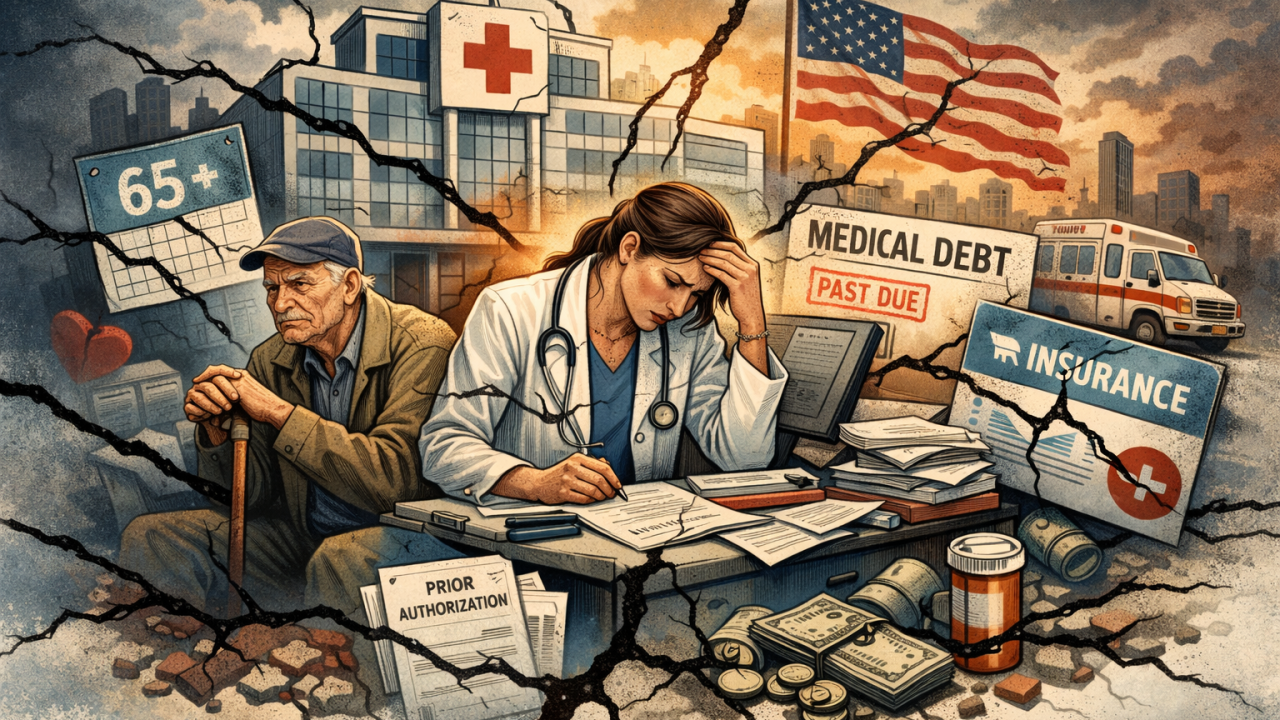
The United States has one of the most advanced medical systems in the world and one of the most dysfunctional. Costs keep rising, families and employers feel increasingly squeezed, hospitals and physician practices are struggling with mounds of administrative paperwork and declining revenue, and the policy debate has become polarized and oversimplified. But meaningful reform requires understanding a core truth: our health system is not simply expensive; it is structurally fragmented, economically distorted, and historically accidental.
During my pediatrics training, I took care of a teenage boy with sickle cell disease in the pediatric intensive care unit. He was suffering from Acute Chest Syndrome, a condition where misshapen "sickle" blood cells clog up the capillaries in the lungs. These blockages cause infarcts (damage) to lung tissue, preventing the lungs from doing their job of air exchange.
There's been a lot of chatter about price transparency as a way to lower health care costs. Price transparency is a good thing, but as a way to lower health care costs? Hold on! Health care is not a commodity like other items you buy. Yes, we should have price transparency. For those patients who are able, comparing prices is a good thing. However, price transparency will not lower costs. It's because of basic economics.
Have you seen the assertions that the ACA is the cause of rising healthcare costs? Let's get real - U.S. healthcare costs have consistently grown faster than inflation and have been rising for decades, long before the ACA was implemented in 2010. Do not believe the rhetoric that the Affordable Care Act is the cause of escalating healthcare costs. As with most issues that don't fit well with political rhetoric, it's complex.