Newsletters
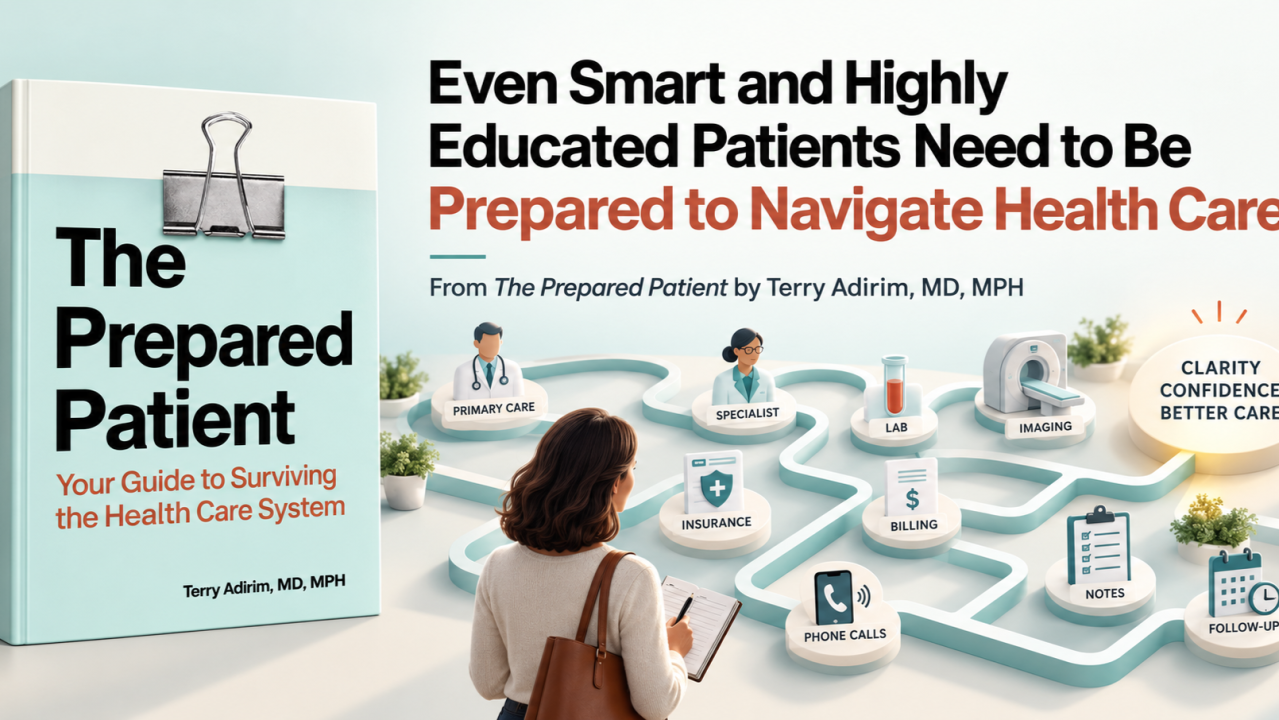
Even Smart and Highly Educated Patients Need to Be Prepared to Navigate Health Care
The system asks people to coordinate information, decisions, and next steps while they may be sick, worried, or caring for someone else.
Health Insurance Is Getting More Expensive. Can You Afford to Go Without It?
Before deciding to go uninsured for a year, The Prepared Patient understands the costs, protections, and options that could change their mind.
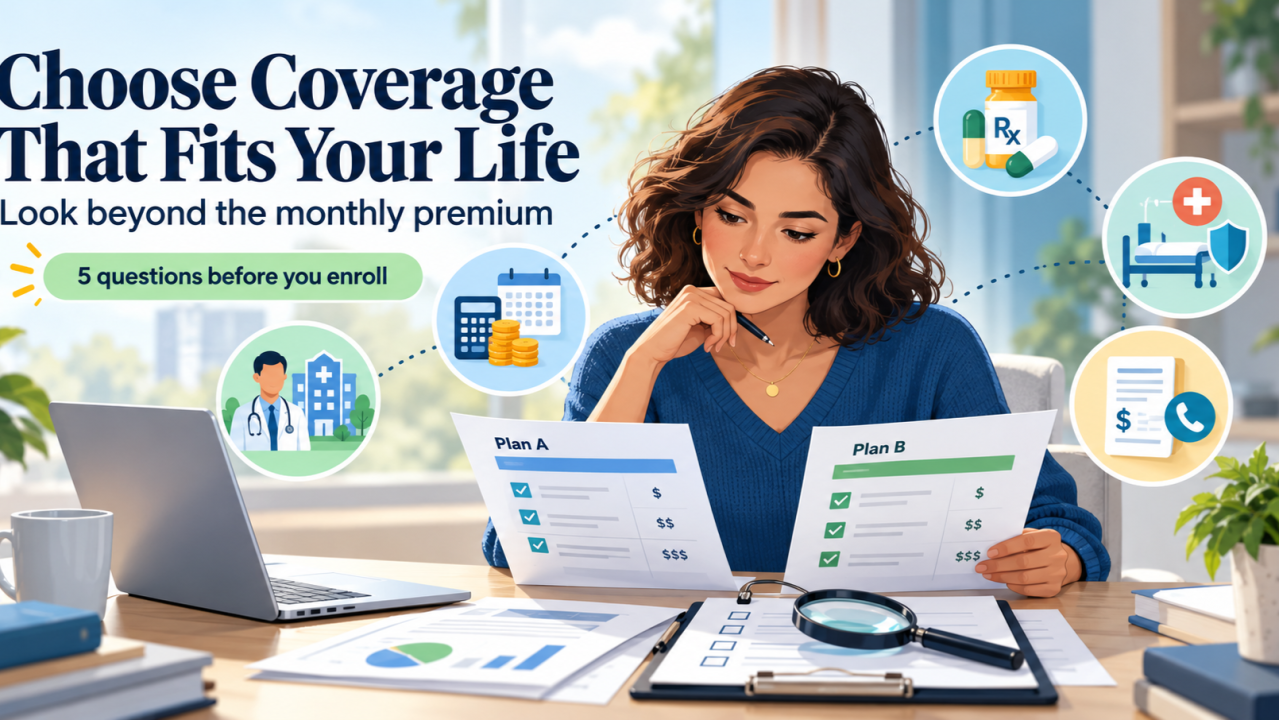
Five Questions to Ask Before Choosing a Health Insurance Plan
A Practical way to look beyond the monthly premium and choose coverage that fits your life. I cover this in more detail in "The Prepared Patient: Your Guide to Surviving the Health Care System".
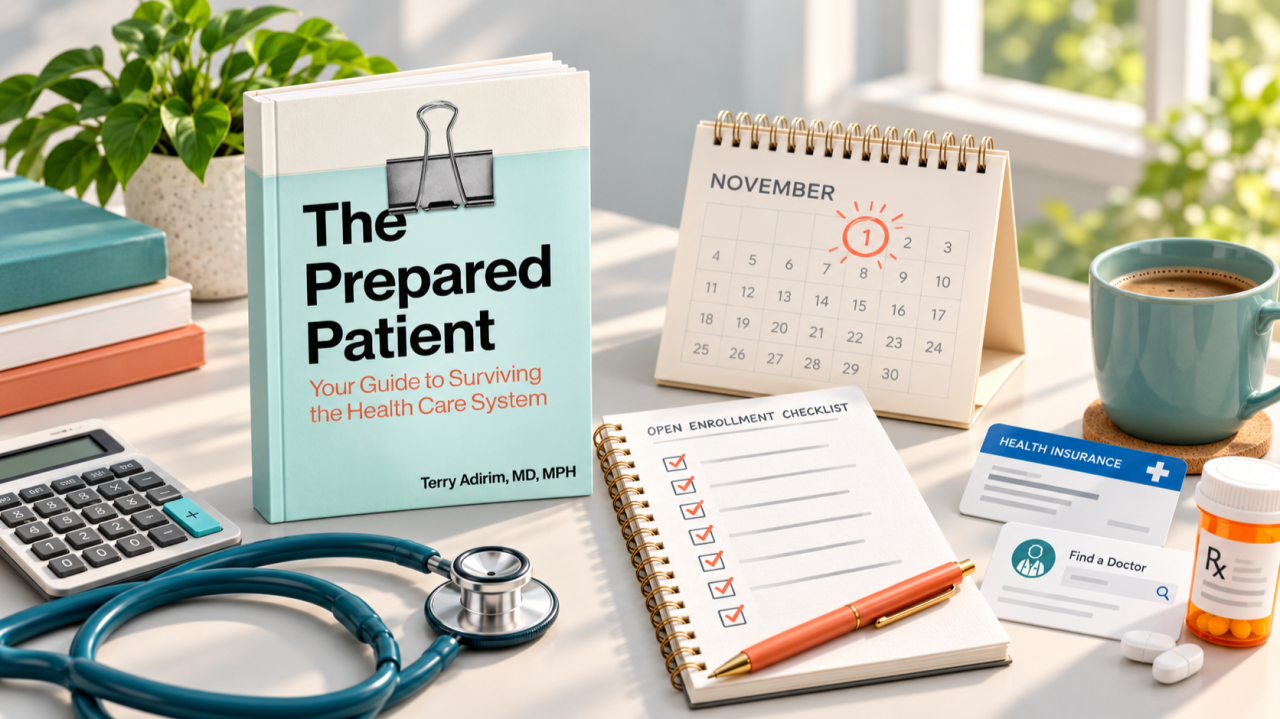
Seven Things to Do Before Marketplace Open Enrollment Begins November 1
A practical checklist for choosing 2027 coverage while there is still time to compare plans, costs, and care needs.
HHS Wants to “Produce Health.” But Its Economic Model Leaves Out the Patient Experience.
"Producing Health” treats supply, prices, and patient effort as economic inputs. But a health system patients cannot afford, reach, or navigate cannot turn capacity into better health.
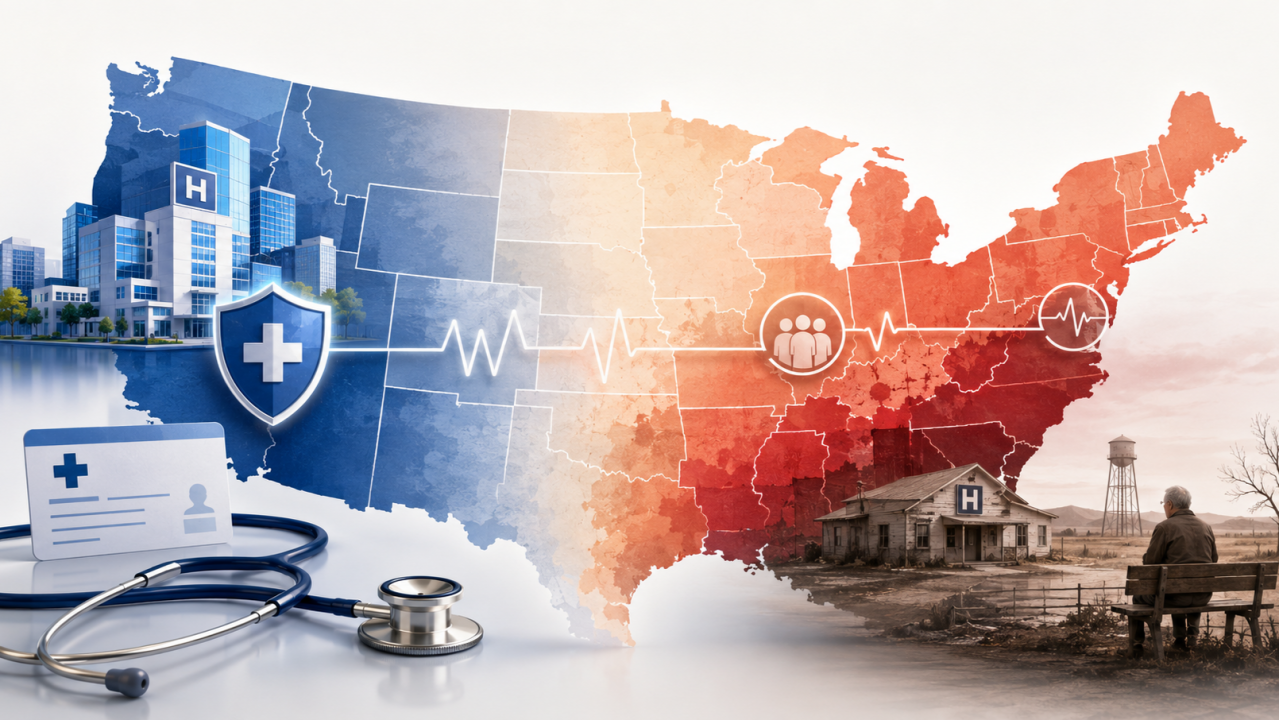
The States Losing the Most Health Care Voted for the People Taking It Away
The 2026 numbers on America's coverage divide, and where to get care if you are on the wrong side of it
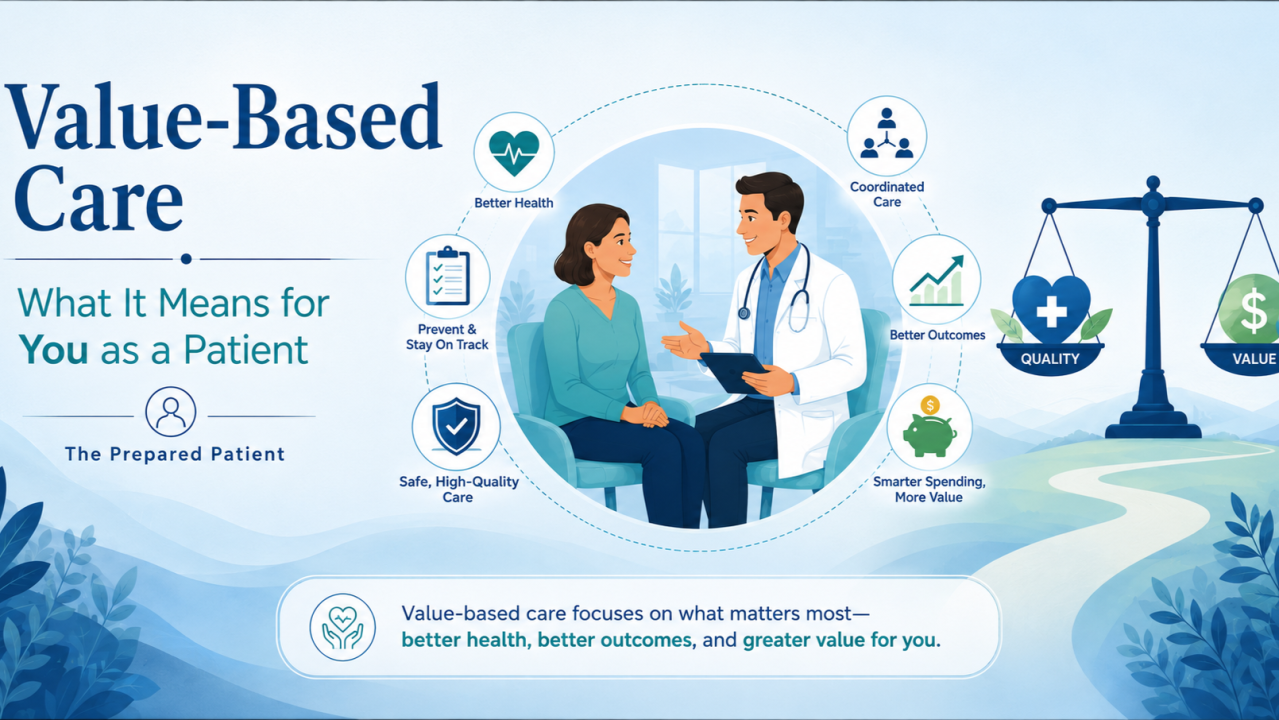
Value-Based Care: What It Means for You as a Patient
If you have visited a doctor in the past few years, there is a good chance you have been treated under a payment model you have never heard of. It is called value-based care, and it quietly shapes how your doctor is paid, how your care is coordinated, and sometimes which tests and treatments you are offered. As I argue throughout The Prepared Patient, the people who fare best in our health care system are the ones who understand how it works behind the scenes. This edition of The Prepared Patient newsletter is your plain-language guide to value-based care: what it is, who it affects, and what to watch for.

Outrunning Inflation Again: Why 2027 Health Insurance Costs Demand a Prepared Patient
Health insurance premiums rise every year. That is not news. What is different now is the pace. Health costs are climbing much faster than inflation and wages, the gap will widen again in 2027, and families are already being priced out of coverage and care. This is not sustainable.

The Prepared Patient: 10 Steps to Fighting a Medical Bill and Winning
It’s astonishing that approximately 80% of medical bills contain at least one error. When patients formally appeal a denial, a large share of those denials get reversed. Depending on the type of denial, anywhere from a third to more than 80% are overturned. For appealed prior-authorization denials in Medicare Advantage, the overturn rate topped 83%.

The Prepared Patient: Patients Ask AI Before They Asked Their Doctor
A physician friend told me about a recent visit that stayed with her. A patient sat down, pulled out her phone, and explained that before coming in she had typed her symptoms into an AI chatbot. She arrived with a printed list of questions, a few possible explanations, and several treatment options she wanted to talk through. A decade ago, my friend said, she might have braced herself. That day she felt something closer to hope.

The 12% Problem: Why Even Brilliant People Get Lost in Healthcare
Here is a number that should give you pause. Only 12% of U.S. adults have proficient health literacy. That figure comes from the National Assessment of Adult Literacy, and the broader research has barely budged since that assessment. Put another way, nearly 9 out of 10 American adults lack the skills to fully understand and act on the health information thrown at them every day.

The Prepared Patient: When Influencers Fill the Gaps Medicine Hasn’t Closed
Why women are turning to TikTok for perimenopause and menopause answers is a symptom of a deeper problem, and how to protect yourself in the in-between.

80% Preventable. 100% Unacceptable: U.S. Maternal Mortality
In the wealthiest country on earth, in the year 2026, giving birth remains a leading cause of death for women, and if she is Black, the risk is more than triple. We know the problem, time to take evidence-based solutions to scale.

Two Voices Healthcare AI Cannot Afford to Leave Out
Healthcare AI is having its gold rush moment. Funding is pouring in, pilots are multiplying, and every week brings another startup promising to fix documentation, triage, diagnosis, or revenue cycle. But walk through enough of these companies and a familiar pattern emerges.

One Issue Where Republicans, Democrats, and Independents Actually Agree
When was the last time 73% of Republicans, Democrats, and Independents agreed on anything?
According to recent polling, that share of American voters across all three groups now believes the U.S. health care system needs major change or a complete rebuild.

We Don't Have a Healthcare System. We Have a Sick-Care Billing Machine
Nobody Chose to Get Sick. So Why Are We Acting Like They Did?
When a 42-year-old mother of three gets a breast cancer diagnosis, did she choose that? When a 28-year-old is doubled over with inflammatory bowel disease, is that a lifestyle failure?

The Price of Getting Sick in America
When a TV Drama Tells the Truth
Some stories land harder than others. In a recent episode of The Pitt, a drama set inside a Pittsburgh emergency department, two patient storylines unfold quietly alongside each other. Neither ends in a dramatic courtroom revelation or a heroic last-minute save. Both end with something more unsettling: the system simply failing people who needed it.

What Every Prepared Patient Should Know About Vaccines
The Prepared Patient believes knowledge is the foundation of good health. Being prepared means walking into your doctor's office ready to have a real conversation. Few topics deserve that kind of preparation more than vaccines.

People Who Have Never Seen A Patient Assert That AI Will Replace The Ones Who Do
Headlines regularly proclaim that AI chatbots will soon render physicians obsolete. A closer examination of what physicians actually do and what it would take to automate that work responsibly tells a more complicated story.

When Even Physicians Struggle to Find Primary Care, the System Is Failing Patients
My search for a board-certified primary care physician exposed a larger problem: physician shortages, concierge barriers, and a system that is making equitable access harder to sustain.