Publications

Changes in body mass index and behavioral health among adolescents in military families during the COVID-19 pandemic: a retrospective cohort study
Abstract
Background: Widely published findings from the COVID-19 pandemic show adverse effects on body mass index (BMI) and behavioral health in both adults and children, due to factors such as illness, job loss, and limited opportunity for physical and social activity.
What The New Administration Must Do On Day One To Tackle COVID-19
To turn the tide on the COVID-19 pandemic, the new administration will have to do a number of things beginning on January 20, 2021. First and foremost, a comprehensive response strategy and detailed plan must be communicated across the federal government, among states and local communities, and to the public.
Turn Intention Into Action
Abstract
To build and maintain an effective, agile force that is ready at a moment’s notice to deploy for national security missions, the US military must recruit approximately 150,000 new personnel annually while adhering to stringent medical standards. Given a target recruitment population of young adults ages 18–24, the health of the nation’s children is critical to US national security.
The Emerging Pandemic of Coronavirus and the Urgent Need for Public Health Leadership
There is ample precedent for public health officials directing the control of emerging pandemics. Perhaps most notably, in the early 1960s, Alexander D. Langmuir, MD, Director of the Epidemic Intelligence Service and Epidemiology Program at the Centers for Disease Control and Prevention (CDC) began to work closely with Donald A. Henderson, MD, Chief of the Virus Disease Surveillance Program at the CDC.
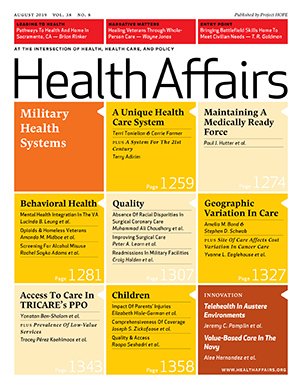
A Military Health System For The Twenty-First Century
Abstract
The Military Health System is one of the largest integrated health care systems in the United States. It is composed of a “direct care” system of military treatment facilities managed in a federated manner by the Army, Navy, Air Force, and Defense Health Agency and a “purchased care” component that consists of a network of health care providers managed through TRICARE.
A New Era in Quality Measurement: The Development and Application of Quality Measures
Abstract: Quality measures are used for a variety of purposes in health care, including clinical care improvement, regulation, accreditation, public reporting, surveillance, and maintenance of certification. Most quality measures are 1 of 3 types: structure, process, or outcome.
Transgender Children and Adolescents Receiving Care in the US Military Health Care System
In the United States, approximately 0.7% of the population identifies as transgender. Transgender and gender-diverse (TGD) youth may experience poor health outcomes and identity-based discrimination within the health care setting.
Development of a pediatric quality measure set for the military health system
Abstract
The Military Health System (MHS) is an integrated health care system composed of direct care and purchased care that serves over 9.4 million beneficiaries including 2 million children. The current MHS quality measures dashboard includes few measures specific to children and may not reflect the needs of military children.
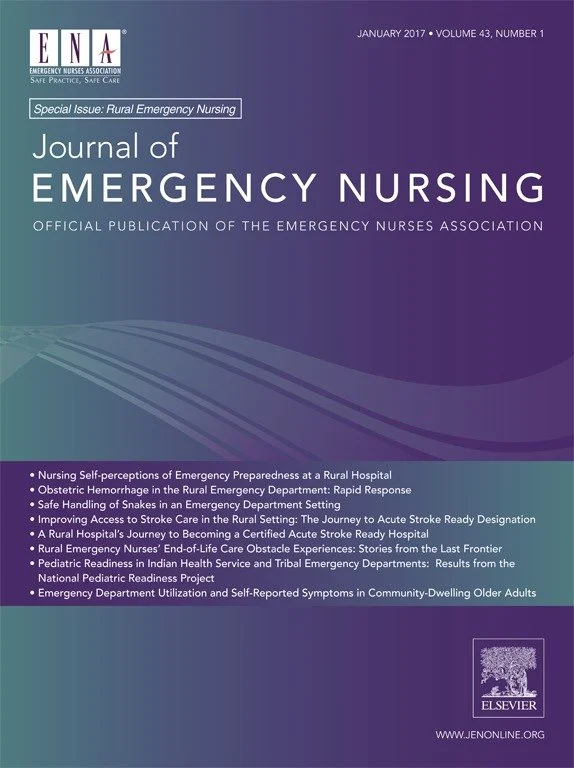
Pediatric Readiness in Indian Health Service and Tribal Emergency Departments: Results from the National Pediatric Readiness Project
Abstract
Introduction: In 2014, 45 Indian Health Service (IHS)/Tribal emergency departments serving American Indian and Alaskan Native communities treated approximately 650,000 patients of which, 185,000 (28%) were children and youth younger than 19 years. This study presents the results of the National Pediatric Readiness Project (NPRP) assessment of the 45 IHS/Tribal emergency departments